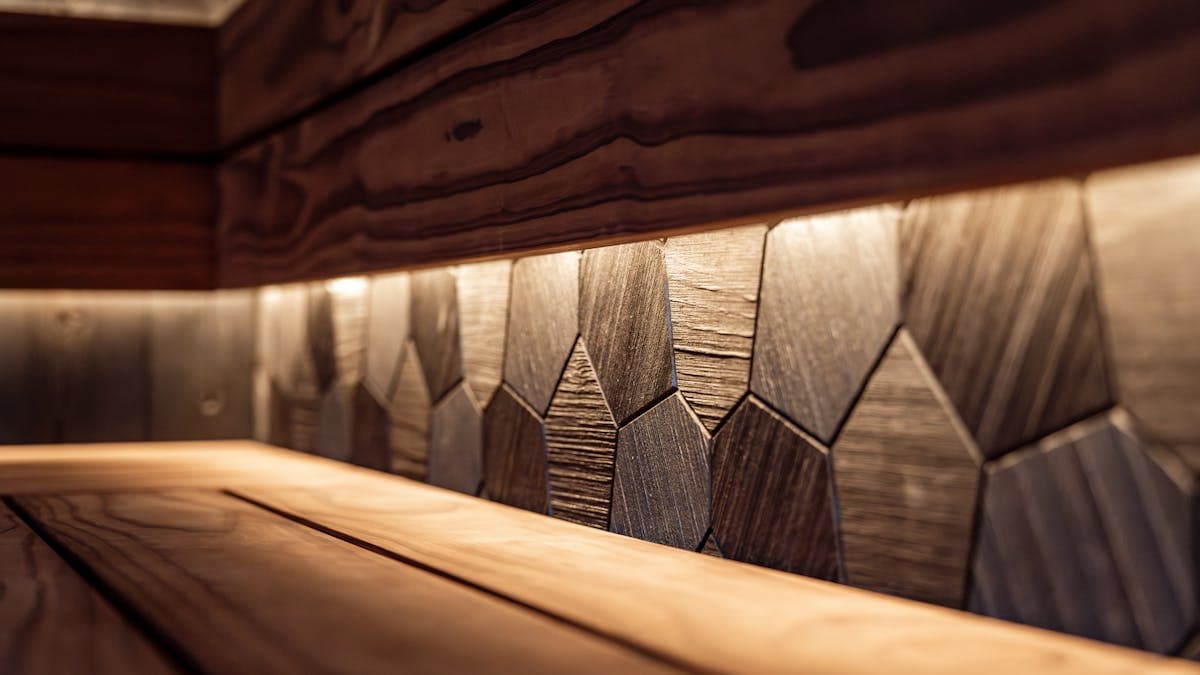
Why Choose an Infrared Sauna for Your Home?
Infrared saunas have become one of the most popular wellness investments for homeowners, and for good reason. Unlike traditional steam saunas that heat the air around you to extreme temperatures, infrared saunas use far-infrared light waves to penetrate your skin and warm your body directly. This means you get the same deep, detoxifying sweat at a more comfortable ambient temperature — typically 120°F to 150°F versus 180°F to 200°F in a traditional sauna.
The result? Longer, more comfortable sessions with benefits that include improved circulation, muscle recovery, stress reduction, and support for your body's natural detoxification processes. Many users report better sleep, reduced joint stiffness, and an overall sense of well-being after regular use.
The home sauna market has matured significantly, with prices now ranging from under $2,000 for a compact 1-person unit to over $10,000 for premium full-spectrum models. The key is finding the right balance of size, heating technology, construction quality, and price for your specific needs.
Want this as a take-with-you PDF? Download our free 2026 Home Sauna Buyer's Guide (12 pages, MAP-clean pricing, 7 featured models with side-by-side specs) — sent to your email instantly.
Types of Infrared Saunas: Far Infrared vs. Full Spectrum
Far Infrared (FIR) Saunas use carbon or ceramic heaters that emit far-infrared wavelengths (typically 6-12 microns). These are the most common type and deliver excellent heat penetration at an accessible price point. Far infrared is particularly effective for deep tissue warming, muscle relaxation, and promoting circulation.
Full Spectrum Saunas combine near-infrared, mid-infrared, and far-infrared wavelengths. Near-infrared (0.7-1.4 microns) is associated with skin rejuvenation and wound healing. Mid-infrared (1.4-3 microns) targets improved circulation and pain relief. Full spectrum models typically cost 30-50% more than far-infrared-only units but offer the broadest range of potential benefits.
Which Should You Choose?
For most home users, a quality far-infrared sauna provides excellent value and covers the primary benefits people seek: relaxation, muscle recovery, and detoxification support. If you're specifically interested in skin health benefits or want the most comprehensive experience, a full spectrum model is worth the premium.
What to Look for When Buying a Home Infrared Sauna
1. Low EMF Emissions
EMF (electromagnetic field) levels are one of the most important safety considerations. Look for saunas with EMF readings below 3 mG (milligauss) at the seating position. Reputable brands like Dynamic and Maxxus test their heaters and publish EMF ratings. This is non-negotiable — avoid any brand that doesn't disclose EMF data.
2. Wood Quality and Construction
Canadian Hemlock and Canadian Red Cedar are the two most common woods used in quality infrared saunas. Hemlock is hypoallergenic and slightly more affordable. Red Cedar naturally resists moisture and has a pleasant aroma. Both are excellent choices. Avoid saunas made with pine or unnamed wood species.
3. Heater Coverage and Placement
The best infrared saunas surround you with heaters — front, back, sides, and under the bench (calf heaters). More heater panels means more even heat distribution. Carbon fiber heaters are preferred over older ceramic rod heaters because they produce more even, consistent heat with lower surface temperatures.
4. Size and Capacity
Consider both the interior dimensions (seating comfort) and the exterior footprint (where it'll go in your home). A 2-person sauna is the most popular size — roomy enough for comfortable solo sessions with room to stretch, but compact enough for a spare bedroom corner, garage, or covered patio.
5. Electrical Requirements
Most 1-2 person infrared saunas plug into a standard 120V/15A household outlet — no electrician needed. Larger 3-4 person models and some premium units may require a dedicated 20A circuit or 240V connection. Always check the electrical specs before purchasing.
6. Warranty and Support
A strong warranty signals manufacturer confidence. Look for: lifetime warranty on the heaters, 5+ years on electronics, and 2+ years on the wood and structure. Also consider the manufacturer's track record — how long have they been in business? Do they have responsive customer support?
Our Top Infrared Sauna Picks for 2026
Best for Most People: Dynamic Barcelona (1-2 Person)
The Dynamic Barcelona is one of the most popular infrared saunas on the market, and for good reason. It features 6 low-EMF carbon heating panels, Canadian Hemlock construction, built-in Bluetooth speakers, chromotherapy lighting, and a digital control panel. At a competitive price point, it's an exceptional entry into home sauna ownership. It plugs into a standard 120V outlet and assembles in under an hour.
Best Mid-Range: Maxxus Seattle (2 Person)
The Maxxus Seattle steps things up with 6 low-EMF carbon heaters in a slightly more spacious 2-person design. Maxxus is known for premium construction with thicker wood panels and superior insulation. Features include interior and exterior LED control panels, Bluetooth audio, chromotherapy lighting, and a Canadian Red Cedar interior that both looks and smells fantastic.
Best Premium: Dynamic Lugano (3 Person)
If you have the space and budget, the Dynamic Lugano offers a luxury sauna experience. With 8 low-EMF carbon heating panels providing comprehensive body coverage in a spacious 3-person cabin, it's ideal for couples or anyone who wants room to fully stretch out. Hemlock construction, dual Bluetooth speakers, chromotherapy, and an ergonomic bench design make every session feel like a spa visit.
Best for Couples: Dynamic Santiago (2 Person)
The Dynamic Santiago combines generous interior space with 8 heating panels for thorough, even heat distribution. Like all Dynamic models, it features low-EMF carbon heaters, quality Hemlock construction, and modern amenities. The larger cabin makes it comfortable for two adults to sit side by side, making it a great choice for couples.
Want to compare these side-by-side? Use our interactive Compare tool to line up Barcelona, Cardoba Elite, Lugano, Santiago — or any other models — by size, EMF, wattage, wood, and price in a single spec table.
Installation and Setup Tips
One of the biggest advantages of a modern infrared sauna is the ease of installation. Most models ship in pre-built panels that snap or screw together — no contractor, no plumbing, no special ventilation required. Here are some tips to ensure a smooth setup:
- Location: Any level, indoor surface works — spare bedroom, basement, garage, or covered patio. Avoid placing directly on carpet (use a mat underneath) and ensure there's at least 4 inches of clearance on all sides for airflow.
- Electrical: For 120V models, plug directly into a wall outlet on a 15A or 20A circuit. Don't use extension cords. For 240V models, hire a licensed electrician.
- Assembly: Most saunas take 30-60 minutes with two people. Pre-built panels simply snap together with buckle clips and wire connectors. No tools required for most models.
- Break-in period: Run your new sauna at max temperature for 30-45 minutes before your first session to off-gas any manufacturing residues. Open a window for ventilation during this initial run.
Frequently Asked Questions
How much does it cost to run an infrared sauna?
Most home infrared saunas cost $0.15 to $0.50 per session in electricity, depending on your local utility rates and the sauna's wattage. A typical 2-person sauna draws about 1,500-1,800 watts — comparable to a hair dryer. Used daily, expect about $10-15/month added to your electric bill. For a full wattage-by-size breakdown and tips to cut costs, see our guide: How Much Does an Infrared Sauna Cost to Run?
How much does a home infrared sauna cost to buy?
Home infrared saunas typically range from about $2,000 for a quality 1-2 person cabin up to $7,500+ for a 4-person premium model. Most popular 2-3 person models fall in the $2,500-$4,500 range with curbside delivery included. For current pricing across every model we carry — sorted by capacity and feature set — see our home sauna pricing page.
How long should a sauna session last?
For beginners, start with 15-20 minute sessions at 120-130°F. As your body acclimates (usually within 1-2 weeks), you can increase to 30-45 minute sessions at 140-150°F. Listen to your body and stay hydrated — drink at least 16 oz of water before and after each session.
Do infrared saunas require maintenance?
Very little. Wipe down the interior with a damp towel after each session. Use a sauna seat cover or towel on the bench. Leave the door open for 10-15 minutes after use to allow moisture to evaporate. That's about it — no water treatment, no filter changes, no complex maintenance.
Can I put a sauna in my apartment?
Many 1-person infrared saunas fit in small spaces and plug into standard outlets, making them apartment-friendly. However, check your lease first — some landlords or HOAs may have restrictions. The sauna's weight (typically 200-400 lbs) is usually fine for standard floors.
Tags
Need help choosing?
Tell us your space, budget, and goal — we'll send 2-3 real picks with accurate freight and transparent pricing. One reply from a Phoenix-based specialist within a few business hours. No spam.
